

The legend of rediscovery
1. Nouveaux Mémoires, ou Observations sur l’Italie et sur les italiens par deux gentilshommes suédois, resoconto anonimo del 1764 (attribuito allo storico francese Pierre-Jean Grosley) in cui si racconta la vicenda dell’apprendista pittore che avrebbe scoperto i templi.
The legend of rediscovery
The process that brought Paestum back to the attention of scholars and travellers has all the characteristics of an 18th century fake news story. Many documents of the time recounted that the young apprentice of a Neapolitan painter, who was in Capaccio in 1755, first realised the existence of three imposing ruins by looking down on the plain below and towards the sea. The young man would have then communicated this to his master and from there the news would have been spread in the cultured Neapolitan environment, and among the artists and travellers on the Grand Tour.
It seems incredible that, in modern times, no one had noticed the three imposing sacred buildings rising majestically above the Sele plain: it is rather true that no one had paid due attention to them, failing to identify them with the ruins of ancient Poseidonia. This awareness emerged precisely during the 18th century, when the vogue for travelling in Italy and the passion for antiquity brought scholars’ attention back to the ruins of the classical world.
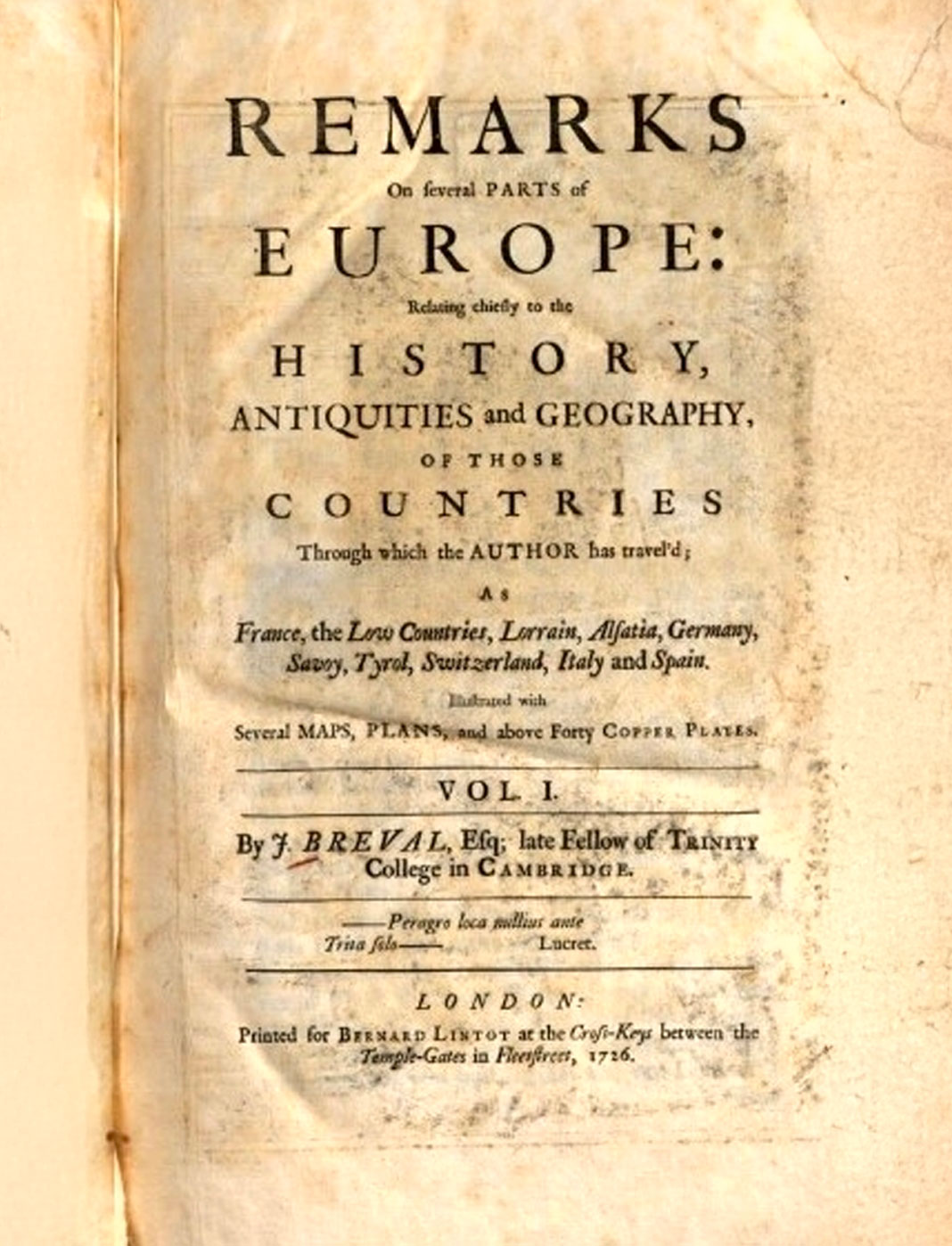
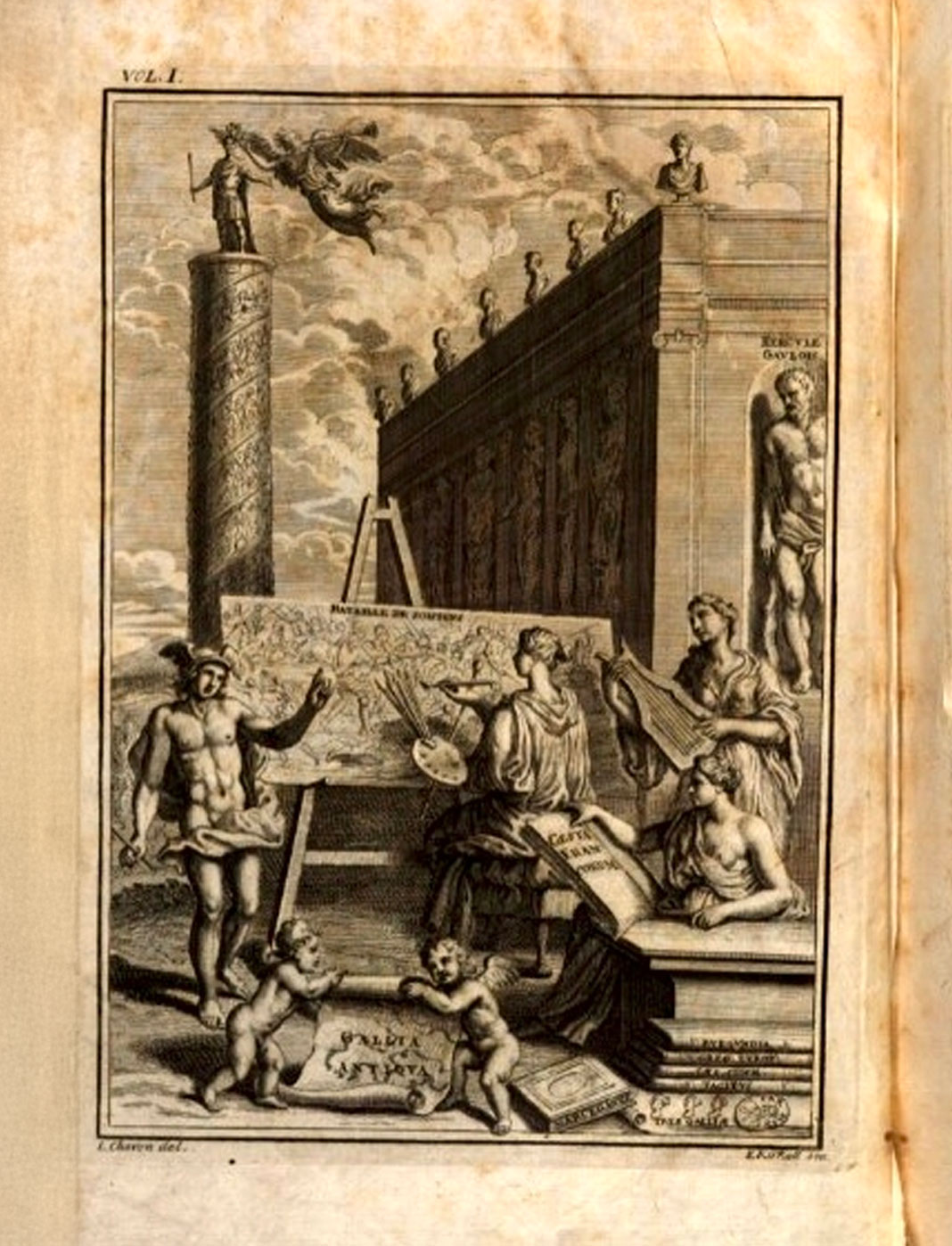
Already around 1730, there are foreign, mainly English, accounts in which reference is made to the ancient city, for example the illustrated travel report by the Grand Tour traveller John Durant Breval. The first visits by foreign travellers date back to the 1750s, when a young aristocrat and a future member of the English Parliament ventured to the Sele plain, recounting their visit in letters sent to family and friends.
1. Nouveaux Mémoires, ou Observations sur l’Italie et sur les italiens par deux gentilshommes suédois, an anonymous account from 1764 (attributed to the French historian Pierre-Jean Grosley) that recounts the story of the apprentice painter who is said to have discovered the temples.
The history of the rediscovery of Paestum is linked from the very beginning to the issue of the conservation of heritage. The Bourbon government played an important role in protecting the integrity of the site, issuing a series of measures as early as 1755: a guard was set up to monitor the temples, and the removal of artefacts and independent excavations were prohibited. The measures were intended to prevent clandestine excavations and trafficking of coins and objects, but operations systematically took place despite the bans.
In these years, however, the most singular episode did not concern travellers with a passion for collecting, but none other than…the Bourbon architect Ferdinando Sanfelice! In a letter addressed to King Charles III and dated 10 July 1740, he proposed using architectural pieces from the temples to construct the buildings of the Capodimonte royal estate.
It should be considered that the concept of cultural heritage conservation did not exist at the time: these instances are to all intents and purposes one of the first examples of laws for the protection of cultural heritage in Europe. Fortunately for us, Sanfelice’s proposal went unheeded, and Paestum soon received the appropriate attention from antiquarians (we would say archaeologists today), architects and artists.